Any links to Amazon are affiliate links. '
Showing posts with label siblings. Show all posts

How To Maintain a Sleep Schedule Amid School Disruptions

How To Maintain a Sleep Schedule Amid School Disruptions. How to ensure your baby or toddler still gets the naps needed while balancing a school schedule.

How To Maintain a Sleep Schedule Amid School Disruptions. How to ensure your baby or toddler still gets the naps needed while balancing a school schedule.

You don't know what you have until it is gone. This phrase is true for many aspects of parenting, and one of those is the nicety of the lack of disruptions in life. Yes, it can get boring to be home all day every day with little variation to the schedule. The major perk of that, though, is that your schedule is your own. You get to set it. You get to work around baby's nuances and personality quirks. You fit your family as neatly as possible into the schedule that is the most natural fit for everyone.

Then school starts for your oldest or maybe you enroll your child in something like dance class. Suddenly, you don't get to just set the schedule. You have to work around an outside force on your schedule. Even if things are perfect right now, you might find yourself face to face with having to drive your child to school or practice right in the middle of nap time for your baby.

How can you ever maintain a solid sleep schedule with all of the disruptions going on? Can it even be done? Is it worth trying?

The answer is yes. Yes you can and yes it is worth it. Here are some tips to make it possible. Use the tips that work for you. You won't be able to use every tip, so pick and choose which make sense for you.

The Perfect Hugging Rule For Siblings

The Perfect Hugging Rule For Siblings. Rules to keep the peace among siblings with different hugging preferences.

The Perfect Hugging Rule For Siblings. Rules to keep the peace among siblings with different hugging preferences.

McKenna is a hugger. She loves to get in there with a big, full hug that takes your breath away. Bonus points if she can lift you off the ground and really squeeze all of that air out. Brayden is not a hugger. Even as a baby, he did not love to be cuddled or hugged. Bonus points if you hug is a brief side hug.

McKenna is an extrovert and loves to display her affection for others anytime, any place. If she hasn't seen you for a bit, and a bit can be a couple of hours, her affection will be shown to greater capacity. Brayden is an introvert who is private. He isn't a hugger in private and definitely not out in front of the world.

So you can probably imagine how well things were going between these two for a while.


How to Balance Multiple Schedules

One of the biggest concerns parents have when they are expecting their second child is how to attend to the needs of more than one child. How do you make a schedule work for a toddler and fit in with the schedule of a baby? This post outlines how to balance schedules when you have more than one child. 

How to Balance Multiple Schedules

When you have just one little cutie at home, it can be pretty easy to attend to the needs of that one schedule. It isn't always easy mentally (sometimes you just get so sick of schedules), but physically, it is possible to appease the one schedule most of the time.

When that second one comes along, it can get tricky. Those two schedules don't always line up and sometimes they full-on conflict with each other. While you are willing to sacrifice some of your own sanity for the schedule, you realize sometimes you have to sacrifice the baby's schedule for the older child's sanity. So how do you do this?

RECOGNIZE NEED vs. DESIRE
The first thing you need to do when figuring out how to balance the schedules is to really identify what the needs are of each family member. What does each family member truly need? Look at meals, naps, bedtime, personal care, exercise, and social interaction. 

Once you know needs, write down times/days these things need to happen.

Next, identify the desires/wants. What do the children want to do? With a baby, it is all about needs. A baby's needs take up the entire day. Identifying wants will be for your older child(ren), you, and your spouse. Write down the frequency, days, and times of these desires.

You will likely see some conflicts happening at this point. Something you know is what are needs and what are simply wants.

You can read more about Balancing Baby's Needs With Family's Needs here. You can also see ideas for Meeting Needs of Each Child here. 

BE CREATIVE and FLEXIBLE
Now is the time you figure out how to work all of these things together. First, work in needs. Figure out how you can feed your baby and have your older children occupied at the same time. Figure out things like what to do with older children while you are putting baby down for a nap. How will you work baths for all children? When will they all eat?

Once you get the needs figured out, see how you can work in the wants. Figure out how you can work in wants without having to impact needs where possible. If you feel like your older child needs to get out of the house, consider doing so without disrupting the baby. You can get a babysitter or take your child out while your spouse is home to stay with the baby. If you do take your child out with the baby, I find it best if you let the first nap happen at home for baby. Then you can go out for a cycle and have a nap on the go and be home in time for the third nap. Another thing that works is skipping a nap later in the day. Leaving that first nap at home is super helpful to a baby.

If you do take your baby out with you, try to think of ways to allow baby to sleep. I have had my babies sleep in pack and plays in empty rooms in the church for family parties. They have slept in pack and plays on the beach while we played. They have slept in strollers or carriers, and of course the car seat. Have a way for your baby to sleep on the go. This will make it so baby is more pleasant while out. 

When I had my fourth child, my three older children had activities they were involved in. I didn't want to cut those activities if I didn't have to. I worked our activities so that we carpooled with other moms. My mom helped take one of my daughters to dance and back each week. See more ideas like this here: Managing Baby Plus Older Kids' Activities.

Always remember, wants are just wants. If a want is negatively impacting another person's needs, it is time to cut the want out for a while. It isn't a bad thing for family members to sacrifice for each other. Sacrifice breeds true love. See Baby Joins a Family {AND} Family Adds a Baby.

SACRIFICE WISELY
How to Balance Multiple SchedulesWhen you do require a sacrifice of a need by a family member, do it wisely. I touched on this above, but respect the first nap of the day for baby. You will create sleep issues that will be very hard to fix if baby never sleeps at home. Your baby will be able to have a better day if you have the first nap at home. If your older child is at one nap, respect that one nap. Your child might be able to go down late or early if he/she is flexible (I have had a couple like that), but don't ask for more than your child can give unless you have to.

One time when my second child was 3 months old, we were at a family function with my husband's family where she skipped her last nap and her bedtime was late. She was up screaming all night long that night, where she previously had been sleeping almost through the night (getting up about 5 AM hour for the first time). I learned then that the sacrifice we asked of her that night did not work for her and we never repeated it with her (and frankly any other child that followed!). Once you learn what works and doesn't work for a child, respect it. They will each have their own thresholds. 

HAVE PLANS DURING NEEDS
Children have a lot of needs and you can't always attend to them all at the same time. I have some posts with ideas of what to do with children. 
You will also want contingency plans for when your children have needs that come up outside of normal needs. Baby is on a growth spurt and needs your attention all day, what will you do? What will you do when your baby wakes up early from a nap and you are in the middle of something with an older child? What will you do when your older child is sick and your baby needs something?

Don't drive yourself crazy and don't stress it out. These scenarios happen to everyone. You will face the ones I listed and more. Also remember, many a baby has cried in the crib because she woke early and mom was in the middle of a bath with the older sibling (and actually, this was something that taught me that many times a baby goes back to sleep when left alone for ten minutes). Many an older sibling has watched more TV than was ideal because the baby was sick or on a growth spurt and took all of mom's time, attention, and sanity that day. It will be okay! 

Do your best to balance out the schedules. Respect the needs of all family members and try to meet all needs, but allow family members to sacrifice when needed. Remember, needs of children change often. You aren't facing a life sentence with any need. The needs will change and become more flexible with time. Keep the big picture in mind and you will be able to handle it all with more grace.

Why I Don't Let My Children Fight

Siblings fight, right? That is to be expected. The question is, how much is normal, and when has the fighting gone too far? The even bigger question, as a parent, is how much should you allow because it is "normal" and at what point should you step in and mitigate.

Why I Don't Let My Children Fight


With my children, I simply don't allow full-on fighting. I treat any fight between my children as I would between my child and a friend who was at our house to play. I just don't allow it. Disagreements? Yes. Fighting? No. Differences of opinion? Absolutely! Name calling? No. Physical aggression? No. "I'm not your best sister anymore." Nope.

"A more loving world starts with a more loving home."

Living with people really highlights how annoying they can be. That's why when people get married and the honeymoon phase wears off, they start to find little things annoying. That is why staying in close quarters for a long family reunion can wear patience thin. That is why there is a stereotype about family fights at holidays. It is normal to have less patience with people you are constantly around.

But that doesn't mean we should just let our tempers loose on each other.

Just because it is "normal" to have less patience doesn't give us the right to be unkind toward others.

We have had the same private swim teacher for over 5 years. For most of those years, she has taught my children year round. A week ago, she commented to me that Katilyn and McKenna were bickering during the lesson that day and she had never seen my kids fight before. I love that it took 5.5 years for her to witness my children fighting! I fully believe that my requirement to have my children make an effort to get along has led to them rarely fighting.

This doesn't mean they always agree or that there are always sunshine and roses at our house. In fact, as I write this, I can hear McKenna and Brinley discussing who gets to be which character in a game they are playing. They are both frustrated and upset as they discuss. There is no yelling, however. There are no tears. There is no hitting and no declarations that the friendship or sisterhood is over.

Those things sometimes happen, and when they do, I step in.
Why I Don't Let My Children Fight

But so long as it is a discussion, even if they are both feeling emotional about it and it gets heated, I will not step in. I allow them to practice and learn conflict resolution. Those are skills they need in life. I have no problem with conflict or differences of opinion in our home. I have a problem with them practicing how to resolve conflict in unhealthy ways.

When things get overly heated and my children get to a point of real fighting, I step in. I help them talk through the issues. I help them work to see the point of view of the other person. I explain why the tactics used were not kind nor appropriate. I work with them to learn appropriate conflict resolution skills. I expect those skills to be used not just out in public, but also at home.

If my children can learn to be kind and gracious toward their siblings then they will be able to extend the same kindness and grace to the world at large. It is often said that we treat our family, the people who live with us, the worst. We put our best face out for the world to see and give our family the leftovers.

I don't want that for my family.

I want us putting our best face toward everyone. I want our faces in public and at home to all be genuine. I want our kindness outside of our home to be the same kindness we practice inside our home.

I also want my children to be fully comfortable expressing how they feel and what they think. This is a skill that can be done respectfully. To disagree does not mean to fight. It doesn't mean insult or name-call.

Can you imagine how the world, and especially Internet, might look if people out there believed and practiced that? If they were able to express their opinions and thoughts, and do it in a way that was kind and respectful toward others?

"A more loving world starts with a more loving home."

We cannot hope for a kind society without cultivating that in our homes first. It all starts with our individual families. We, the parents, must teach our children these skills. It starts at home and it starts with us.

If you would like some concrete ideas for how to respond when your kids fight (because they will!), read How to Respond to Siblings Fighting. If you are having trouble with siblings living harmoniously, see my problem solving in The Perfect Hugging Policy for Siblings


How to Respond to Siblings Fighting

The Good Things to Expect With Your Second Baby {Guest Post}

You found out you are expecting a second baby. Congratulations are in order! However, you feel some anxiety about what life with two children will be like. Even though every parent having a second child has had a first, there are often many questions about how life will change with baby number two. Elisabeth has some great input for you here on what life will be like with baby number two. 

The Good Things to Expect With Your Second Baby {Guest Post}


by Elisabeth Bergstrom 

About two years ago, just prior to having my second child, I read an article about what to expect once you have two children. I remember thinking, "perfect! If there's ever an article to read at the current moment, this is it!" 

Oh, how I quickly regretted combing through that less-than-encouraging article. While the candidness of the writer was appreciated (we all want the honest truth!), I have come to learn that there are so many encouraging bits of wisdom and advice that any mom or mom-to-be can gather as they head into life with two little ones.

1) First and foremost: you and your husband now know, to a large extent, what to expect. What a relief that is! My husband and I had a baby girl with reflux the first go-around (any parent or caregiver with a refluxed baby knows how that incessant crying can make any new parent feel completely drained). By the time our second baby was on the way, we thought, "if we got through that, we can handle this!"

2) Your lifestyle has already been adjusted to accommodate a baby. With your first child, you and your husband likely traded in the nights out on the town for more nights in. The late night bedtimes and luxuriously-late mornings were swapped for earlier sleeping schedules. Additionally, the scenery of your home might look a bit different than your newlywed days... baby toys, swings, and child furniture now have their place in your home! The adjustments have been made.

3) The old sage advice of, "this too shall pass" holds very true for your second child. You now know that most things with babies are phases: the constant feedings, the sleepless nights, the extremely messy babyfood meals, and even leaving the house feeling like you are packing everything from both the kitchen and nursery all in one huge bag! These particular phases will pass and will one day be a vague memory.
The Good Things to Expect With Your Second Baby {Guest Post}

4) Your older child can be quite helpful to you. Depending on the age of your first born, they can grab a diaper for you, bring you items while you nurse or feed the baby, dance and act silly to make the baby smile, sing to the baby, etc.  

5) And as a bonus point from my husband to yours (or any of us) who need encouragement for patience: patience levels might possibly be strengthened and improved by the time a second baby enters family life. He often likes to share this bit of advice the few times that he has been asked about the transition from one child to two: you learn that the strong feelings of needing to "fix it" when the first born baby cries can give way to slightly calmer feelings the second go-around with the realization that sometimes babies just need to cry!

While there's no doubt that a new baby can stir up the home routine for a bit, you can feel encouraged and confident that you know what you're doing, you know what to expect... you've done it before and you've got this!

Related Posts:

How to Respond to Siblings Fighting

When your children fight, you might not know how to best respond. You don't want to create bitterness among the siblings. You also want them to learn to solve problems without your intervention. This post outlines tips on how to respond when you children fight.

How to respond when your children are fighting.

The best of times and the worst of times. Sibling relationships are like that. Lots of good. Plenty of bad. The good warms your heart and the bad warms your blood pressure.

The question parents encounter is "What do I do when my kids fight?" Do you intervene or do you let the children settle it themselves? Do you ignore it? How do you respond to tattling? None of these questions have simple, quick black and white answers, but I hope to give you a guide in how to handle quarrels among siblings. This advice is based on how we respond to fighting at our house.

As a bit of anecdotal credibility, I have four children, ages 4-11 (almost 12). We have some fighting, but not much. For the most part, the children get along. One summer at an extended family camping trip, a few days into it my children "finally" had an argument. My cousin was thrilled to see they actually fought sometimes! They do fight at times, but it isn't even a once-a-day thing here. What we do works well for our family.

1-Prevention is First
I am a huge proponent of the idea of "prevention" for any problem you are facing (or concerned about facing someday). The first step to managing fights among your children is to prevent them. Sounds nice, right? 

One way to do prevent fights is to teach your child to love others (see my post Moral Training: Love). While children are naturally loving creatures, they are also naturally selfish (aren't we all!). Teaching your child how to think of others and ways to show love toward others is a very helpful and positive step in helping your child get along with siblings. Along the same lines of loving, foster a friendship between your children. Your children will be more motivated to work toward getting along if they are friends and not just siblings.

You can prevent by teaching your child how to prevent conflicts from happening--or rather conflict resolution in early stages of conflict. When your children disagree, talk about what happened and what could have been done to prevent the fight from happening in the first place. What things should have been done differently? What things should have been said and not said? How could they have been less selfish? Children need to be taught these things. 

You can also prevent by making sure your children are well-rested, well fed, and have a good routine going in life. This is setting your child up for success in playing with siblings. Children are more likely to fight when bored, tired, and hungry. 

2-Establish Rules
This is along the lines of prevention. Establish rules for playing together. Again, children aren't necessarily born knowing how to treat other people (I say necessarily because I have one child who at age 3 showed obvious signs that she understood better than I did how to be a good hostess, so some children are either born knowing things they shouldn't know or pick it up so fast it seems like they were born that way). 

Have rules like "absolutely no hitting each other," or "absolutely no biting." Have clear and immediate consequences when these things happen. I have a zero tolerance policy for physically harming each other. I don't care how mad the other person "made" you. It isn't okay. My kids don't get to play with other people if they hurt them. And while we are on the topic, my children are taught that no one makes them feel or do anything. They choose their reactions to situations.

We have rules on how to treat each other emotionally. I do not allow my children to be rude to each other. I don't even allow things like eye-rolls and exasperated sighs. I expect my children to treat each other with as much respect and kindness and they would treat any person in the world. I don't think, "Eh. That's what siblings do!" No. I teach them that siblings are kind to each other. Siblings have each other's backs. Siblings are people in the world you can count on to love you most and stand up for you. 

We also have rules that activities like wrestling, pillow fights, and tickling are all okay so long as everyone involved wants to be involved. All parties must be consenting. As soon as someone wants to be done, that person gets to be done. We also establish clearly that if you participate in the wrestling party, you will most likely get hurt, and it won't be anyone's fault. 

Establish rules for sharing, also. What are the sharing policies in your home? Decide and explain it to your children. Have clear consequences for when sharing becomes a problem.

3-Wait a Bit
When you hear your children fighting, wait for a bit to see if they can work it out among themselves, assuming they are not physically harming each other. I always give my children a chance to work it out and most of the time, they do. Now remember, I have worked for them to have a positive relationship and I have taught them rules and how to prevent conflict. Now when they have conflict, it is practice time. 

A lot of sibling conflict is short lived and will be resolved quickly if we allow children the chance to work on it. See my post Making Children Mind...Siblings Fighting for more on this concept. But stay close by during the conflict resolution and in ear shot of the conflict. There are times to intervene.

4-Intervene When Needed
Sometimes you do need to intervene. If your children are not working toward a solution and things are just escalating, intervene. If they are hurting each other, intervene. If an older sibling is essentially taking advantage of younger children and "getting his way" unjustly, intervene.

Here is what intervention is not--it is not solving the problem for your children. You don't walk in the room and try to get the full background story and then decide who 'wins' the argument. When you intervene, you help the children solve the problem. In the book Siblings Without Rivalry (affiliate link), the author suggests you describe what you actually see--facts, not value judgments. Help your children resolve by acknowledging the feelings of each child. Explain to each child the point of view of the other child. Children aren't good at doing that and they aren't good at considering the point of view of others. Once you explain it, though, and ask them to imagine themselves in the other person's position, they usually get it. 
"Children should have the freedom to resolve their own differences. Children are also entitled to adult intervention when necessary...But here's the difference: We intervene, not for the purpose of settling their argument or making a judgement, but to open the blocked channels of communication so that they can go back to dealing with each other" Siblings Without Rivalry, Chapter 6
Please understand that I fully am okay with my children disagreeing with each other. That is totally life and that will happen so long as they are living. I want them to learn how to navigate disagreements correctly. If they have a disagreement that balloons into yelling, leads to "I'm not playing with you," or leads to physical aggression, I step in and we talk about how the disagreement played out and how it could have been handled better. I expect them to work through their disagreements and come to a consensus.

My family is comprised of 6 people. 5 people like to be in charge. We have only one "yes, sir" person, and that is dad! We have varied points of view constantly with strong feelings behind them. That is great and fantastic! We all need to be able to work together to find common ground.

5-Separate When Needed
Like I said, I have zero tolerance for physically harming each other. If it happens, they are no longer allowed to play with each other for a length of time. They like to play with each other, so this punishment is very suitable for attaining my desired results (don't hurt each other). 

Sometimes I find bickering happens when the children have been playing too long with each other. I try to have independent play time strategically positioned in the day. If I am too late and the bickering is happening, we take a break for room time. After some time alone, the children are usually ready to play nicely with each other again. Balance free play with structured play.
How to respond when your children are fighting.

6-Respond to Tattling
I try to not take life too seriously. Something that I find highly grating to my nerves is tattling. Because of that, I need responses to tattling that will help me remain a nice person while dealing with the tattling. Tattling is a delicate issue with children. I want my children to come to me when needed, but I also want them to work on solving their own issues. I don't need to know every time someone looks at another person wrong. 

I have a rule--you may not tell me something in an effort to get the other person in trouble. If the intent is to get the other person in trouble, then the tattler gets the same punishment as the person being tattled on. This works in our home because the kids are for the most part well-behaved and I don't have co-conspirator children trying to get away with things. 

Sometimes when a child tattles, I ask, "What would you like me to do?" and my question is sincere. What does my child think I can do to solve the issue? A similar question I have is, "What have you done to solve this?"

Often times I send the child away with advice on what she needs to do to fix the problem. "Ask your sister to not say that. Explain to her that you feel sad when she does that."

Sometimes I respond to ridiculous tattling (he looked at me!) in an overly dramatic way, "[GASP!] What should we do?!?!? Should we make him wear a blindfold for the rest of the day?" The child always responds to such ridiculous suggestions with a half smile and a "no." Then I move on seriously to, "Then what do you want me to do?" and we work through what can be done to help the situation.

Conclusion
With a little prevention, clear rules, a good schedule, and intervention when needed, your children can learn to get along with each other and learn how to solve issues themselves. Always remember, however, that you are responsible for teaching them how to navigate life. Take the steps necessary to guide your children toward a harmonious relationship.

Related Posts:
  • Sibling Playtime
  • Planning Your Schedule for Multiple Children
  • Meeting Needs of Each Child
  • Structured Playtime With Siblings 

  •  Why I don't let my children fight

    What to do with the youngest child while older siblings are at school

    As we left, tears were just streaming down her face. What was she going to do all day without her best friend? How would she be able to be without a sibling to play with all day long? McKenna, then two, was so sad.

    Parenthood seems to be a never ending wave of transitions. We start with our first baby, where life changes dramatically, and transition through sleep needs changing and frequency of meals changing. At some point, we add a sibling and that changes life up a bit. We worry about how to balance life with more than one child, and it can be hard! Yet somehow, we manage.

    Then the day comes that we start to transition in reverse if we send our children to school. You start to have children leave during the day to go to school, and before you know it, you are home with just that youngest child left at home. 

    Different children respond to this transition in a variety of ways. McKenna cried. Brinley, however, danced for joy. What McKenna saw as a day of loneliness, Brinley saw as a day of Mom time. There would be no one to interrupt her or to take my attention elsewhere. 

    No matter how your child takes it, there is a big transition for mom. The youngest child is accustomed to having a friend to play with for most of the day, and without a sibling to be the friend, mom becomes the friend. So how do you work this all out?

    1-Have a steady schedule
    Make the day very predictable for your little one at home. This leaves less time for her to whine or get bored. She will also feel secure knowing her routine each day and she isn't left wondering what she will do with herself. Some things we have each day are:
    2-Have fun things to mix the days up
    Structure is fantastic, but it is fun and interesting to have a day every so often where you mix things up. Have some fun things you go do together to keep life interesting. Some ideas are:
    • Go Shopping--you know how moms with babies consider the grocery store and "out"? So do toddlers.
    • Go to the Park
    • Have a Friend Over
    • Go Out for Lunch
    • Go to a Fun Place (indoor trampoline place, bounce house, etc.)
    • Cook Something Together
    • YouPick Farms
    3-Sign your child up for something
    It is hard to watch the siblings all go and do fun things. The youngest can really feel left out and left behind. This is a great chance to sign your child up for a dance class, tumbling class, music class, etc. Just something to look forward to and something to help your child feel like she has a life, also. 

    4-Do not stop life
    Do not spend the days stuck at home, waiting for the older kids to come home before anything fun can happen. Will the older kids feel jealous about the fun things the younger child got to do? Possibly. My children do not feel jealous of the things Brinley does, but I do know moms who won't take younger kids places because the older ones will get upset. 

    Here is the thing. That is life. The younger sibling should not have to stop living life while the older child is out living life. School is a fun thing to go to. Always fun? No. Hard sometimes? Yes. But fun. With school comes recess, friends, dress up days, assemblies, and opportunities to participate in fun things that younger children are not allowed to do. 

    There are definitely activities we save for the whole family, but we still do some fun things with just the two of us or with other little friends of hers.  

    5-Volunteer at the school
    If you go in to the school and volunteer, with your youngest child, it will be a big excitement for her! I know not all teachers will be okay with this, and not all children are going to be cooperative here, but if you can, give it a try. You might be able to find things you can help with with a child in tow. That way, the younger child gets to see the siblings every so often and feel a part of their school life. Brinley has come help in class with me (I bring a pile of books for her to look at). She has come help me take photos of events at the school. she has helped me just make copies for people. Keep the time short enough the little one won't get into trouble. I find longer than an hour and Brinley gets into things she shouldn't. 

    6-Attend events at the school
    At our school, parents and younger siblings are allowed to come eat lunch with the kids at school. This is another fun way to visit older siblings. We can also go to assemblies, small talent shows. etc. Brinley loves to see her siblings at school. 

    Conclusion
    Remember back when you had just one child? Remember how sweet your time was together? You may have worried over the change that would come to that bond and that sweet time when baby number two was on the way. When you are down to just the youngest at home, this is when you revisit that one-on-one time. It might seem scary for you and your might worry that your child won't know what to do with himself. It is an adjustment for everyone, but it can also be a joy.

    Related Posts


    Today the ladies of the BFBN are blogging on various transition topics. 


    Poll Results: Introducing a New Baby to Older Siblings


    Bringing home a new baby can be scary, for all involved. Life is going to change and no one really has a full grasp on exactly how that will look and how that will change life. When bringing home the second baby, many parents worry about how the relationship with the oldest child will change. Every new baby brings changes to the dynamics of the home. 

    And so the question arises, how do you successfully bring home your new member of the family? How do you help older siblings with this transition? A reader requested this be our poll, and here are the results. You can find the original answers here.


    1. How old was your child[ren] when you brought the new baby home?
    2 Years: 2
    2.5 Years: 2
    3 Years: 3
    5 Years: 2

    2. What, if anything, did you do before the baby was born/adopted to prep the older sibling? 
    Lindsey said: "We read books, went through old baby clothes, read and sang to the new baby and did some crafts for her room."

    Krysten said: "We read books about having a new baby and there was a new baby at church too that he saw in nursery."

    Kimberly said: "We talked about the new babies a lot. We read books from the library. He saw the cribs and baby stuff coming out of storage. He also came with to some of the ultrasounds to see the babies. He actually switched rooms so all the kids could be in one bedroom. "

    Sarah said: "We read books, talked about baby, they went to the doctor appointments and sonograms. They went shopping and picked out presents for the baby, and the baby brought them a present at the hospital. The 5y/o and 3 y/o also transitioned to sharing a room and I think that transition also helped them knowing that baby sister would have the other room."

    Natalie said: " We talked about how he was going to be a big brother, read a lot of books, pointed out way she could help, slowly set out the baby stuff over a period of several weeks so he wasn't overwhelmed. But, he's an extremely laid back and independent kid, so I wasn't really concerned about the transition for him."

    3. In retrospect, what do you think helped your older child[ren] with the transition?
    Love and attention: 2
    Get baby stuff out before baby born: 1
    Make big changes before baby if possible (like room changes): 1
    Have baby "give" sibling a present: 1
    Our excitement: 1
    Prepare what you can: 1

    4. In retrospect, what do you think did NOT help your older child[ren] with the transition?
    Discipline for being too rowdy with baby: 1
    N/A: 4

    5. How did your child respond to the change? Things like, how did the child initially react? What about a few weeks later? Did you notice any behavioral or sleep impacts? 
    Lindsey said: "Initilally she was great because we had lots of extra help around the house, but soon they left and she started to have some attention seeking behavior/read: crazy loon/ and I started t really have to improve the quality of the time that we spent together. It wasn't enough for her to be a big helper- she needed to feel like she was independently super valuable. She started struggling with her identity and wanted to be "the baby" for a while, reverting to baby-behaviors and then she need to be the "big girl" and wouldn't do anything remotely baby-ish. She's somewhere in the middle now where she does both, one of her big girl things though is getting out of bed. Apparently, only babies have to stay in bed. We are working on that because it has had big sleep impacts."

    Krysten said:  "Initially he was very excited but quickly became indifferent. There were some sleep disruptions during nap time but it was short-lived."

    Kimberly said: "My son did really well! He didn't want to be too close to the girls or hold them or anything, but that was actually nice. We weren't worried about him accidentally hurting them. He enjoyed helping by bringing burp cloths or giving them toys. He also loved to throw away diapers. He didn't seem to mind how noisy they were sometimes. His sleep didn't suffer too much. He did stall at bedtime a bit, but it wasn't too bad. We were tolerant of it a bit. He did act out a little by pushing buttons. Literally, he pushed buttons around the house and on the bouncers he wasn't supposed to. That only lasted a couple of weeks though. Overall it was a pretty smooth transition."

    Sarah said: "Both girls did well! They were excited to meet her at the hospital and proudly showed her off to visitors when they came to our house. About 6 weeks in to baby being home, we had some behaviors from the 3 year old. Overall no sleep disruptions, a little trouble falling asleep at times. "

    Natalie said: "My son handled it probably better than I did, lol. I really missed my little dude, and I don't do well on little or no sleep so he was getting snapped at a lot. He did decide he wanted to potty train shortly after bringing her home from the hospital--something I was hoping to put off until we got through the rough first few months of the newborn stage. I'm sure that was a way for him to get some attention. He was excited to be a big brother, but honestly he didn't pay her much attention. Even now at 4.5 and 1.5, they still pretty much exist alongside each other, interacting very little. Not really any significant behavioral or sleep changes. "

    6. Any advice for parents about to take this step?
    Lindsey said: "Read the book peaceful parents happy siblings and really try not to blame the baby for things. Also, understand that basicaly all the undesireable behavior at this point is due to an unsecure connection and try to nurture that connection rather than punish the child"
    Krysten said: "My advice to parents is to introduce your child to a baby before the new one arrives. This gives kids a visual and something you can compare your new baby to."
    Kimberly said: "Just because the child doesn't seem to want to talk about the new baby or doesn't seem interested in it doesn't mean the child isn't listening and taking it all in. My son wasn't super verbal during the pregnancy (he was a late talker), so we were never very sure how much he understood. But he was great! He didn't really seem to have a problem with what was going on and is a great big brother. I would also say don't try to force the older sibling to do anything with the new baby he or she doesn't want to. We made it clear he does not have to interact with the babies, or really touch them in any way if he doesn't want to. We really praised when he did though, like when he gave them hugs and kisses. As parents we instantly love our new babies, but to the older child these are brand new people they have to get to know in their own time."

    Sarah said: "
    My advice would be have as much done house-wise and meal-shopping before the baby comes. This allows you to focus on the new baby and other children without stressing about those things. Try to catch some one on one time with your older children so they feel included too(I.e. Books, coloring, playtime, etc)."
    Natalie said: "I honestly think I underestimated what the transition would be like for any of us. Going from 0 to 1 kid was really easy for us as a couple, so I banked on the transition from 1-2 kids would be just as easy...it wasn't.. My youngest is now 20 months and I still feel like I struggle with balancing the needs of both of them. All along, I've told myself that the next stage my daughter goes into will be better--easier. So far, each stage has presented its own challenges. I think the piece of advice I would most share is to remember that especially during these early stages, it's only a season and the stage will be difficult in that way for only a little bit...then it will change. It's hard to see the light at the end of the tunnel when you are in it."

    Katie said: "I have 3 kids so I have done this twice - once bringing home a baby to a 3yo, and once bringing home a baby to a 5yo and a 2yo. We had read some books in advance, set up the baby's room, and talked about the baby. I think those were good things - certainly we wouldn't have kept it a secret and made the whole thing a total surprise! But honestly at those young ages, kids are still pretty self-centered, and I think their biggest concern was just their own little world and day-to-day life. They didnt' seem overly affected. They didn't seem to either adore or detest the baby, they just wanted their own normal things - cuddles with mom, toys, snacks, routine, etc. My 2yo did later do some social shyness/regression which maybe could have been avoided, I think that was mostly a factor of how much more we were home once the youngest arrived, since with 3 young kids and 2 in diapers, we weren't getting out regularly a lot! As far as tips, I would say, expect that everyone will get sick once the new baby comes! After the first, it seems like the #1 rule is that when you bring a new baby home, all the kids get sick (bonus points if it's a vomiting illness and your washing machine breaks, like when my 3rd was about a week old!)  Only other tip is to realize it can be about a 4-12 month rough season that will look VERY different from the rest of your life once baby gets a little older, so just hang in there during this time. And cut WAY back on activities for toddlers, they will be okay staying home for a few months!"

    Related Posts: 
    If you don't already, be sure to follow me on Facebook. I share what is posted here each day along with other articles I find helpful and interesting. I also answer questions and do live Q&As each week. It is a great way to connect!

    Managing Cry It Out While Room Sharing


    I looked down at the envelope I had been addressing and realized I put the stamp on the wrong side of the envelope. Instead of placing it on the right side, it was on the left. Our return address was on the right where the stamp should be. Clearly addressing envelopes while monitoring my baby who was crying it out was a little too technical for my brain.

    Sleep training a baby is hard. There are so many factors to consider and track. Adding room sharing to the mix can really increase the stress levels. Is the older child going to be able to sleep? Is the baby going to be disturbed by the older child? Can a baby even fall asleep with another person in the room? Lucky for you, I have some tips.

    Separate For a Time
    The first thing you want to do is figure out how to have the children separate if at all possible. I know, I know, this is a post on sleep training while room sharing. So why am I talking about separating? 

    I am talking about it for the sake of both children. Baby will have a much easier time falling asleep without a person in the room making noise. Your older child will clearly sleep better without crying from a baby to keep him up.

    You are sharing for a reason. If it is out of want and not need, you can put one in a different room for  a bit. If it is out of need, you will need to get creative. You will want to move one of the children to a different location until baby gets this figured out. It should only be a few days. 

    Some people move the older child. The benefit of this is that baby is able to get used to his own room rather than a different room. Some people move the baby. A benefit of this is that a baby is usually easier to fit into a different space. It also helps the older child if the older child has some anxiety over adding a baby to the family. Some children have a hard time adjusting, so moving them out of their rooms while you do CIO can be too much. If your child is perfectly fine with the baby as many are, you can sell the sleeping place change as a fun adventure.

    Some people see if the older child can go to grandma's house for the weekend and start CIO over the weekend. The first few days are the worst, and for some, it is basically over in a weekend.

    When my second baby was born, the house we lived in wasn't very sound-proof. Brayden and Kaitlyn didn't share rooms, but they were right next to each other and there was a vent that was so open between the two rooms that for sound, they may as well have been in the same room.

    We left Brayden in his room. With Kaitlyn, we moved her around. She took some naps in her room and some in my room. She started the night in my room and moved to her room after the dreamfeed. She did CIO in a bassinet in my room and in her crib. It never bothered her. She is a flexible angel baby type of personality, though, so not all babies would be okay with the constant change.

    A baby can sleep in a bassinet or pack-n-play in a bathroom, walk in closet, spare bedroom, office, or even family room. You just want to be sure the room baby is in isn't cold. Sometimes a large room can be cold or drafty at night. 

    Stagger Bedtime
    In most cases, when you have a baby and an older child, the older child is at most taking one nap a day. That means that a baby can be in her room for most naps in the day. You could move baby out for one nap if it over-lapped with the older child. Or the older child can nap in a different location once a day.

    So then night is your biggest challenge.

    I would recommend staggering bedtime. I would put the baby to bed first, then once baby was asleep, put the older child to bed. You just make sure the child's bed is all set up and ready for sleep before you put baby down. You can do pajamas in the room before baby is down or take them out of the room and get into pjs in a different room. You read stories in a different room. You just move the bedtime routine out of the bedroom. You also teach your older child to go in quietly at bedtime so the baby won't be woken up.

    If your baby and older child need to go to bed too closely to the same time, while you are training, you can do what I did and put the baby to bed in your room, put the older child down in his own room, and then move baby into the bedroom after the dreamfeed. Most babies are mostly if not fully asleep at the dreamfeed and don't cry after eating. 

    Use White Noise
    I get a lot of questions from people who are concerned about using white noise. They worry their child will become dependent on it. Sleep props are something that are wise to avoid as much as possible. However, there are times and circumstances when the sleep prop makes sense. This is one of those times. Both children will sleep better with some white noise.

    White noise is a "prop" that your child will sleep better with but will also be able to sleep without. When we go out of town or the kids sleep at grandparents, they don't have their white noise. They still fall asleep without it. They don't usually sleep as well as they do at home, but that is typically true when you travel, anyway. This post contains affiliate links. 

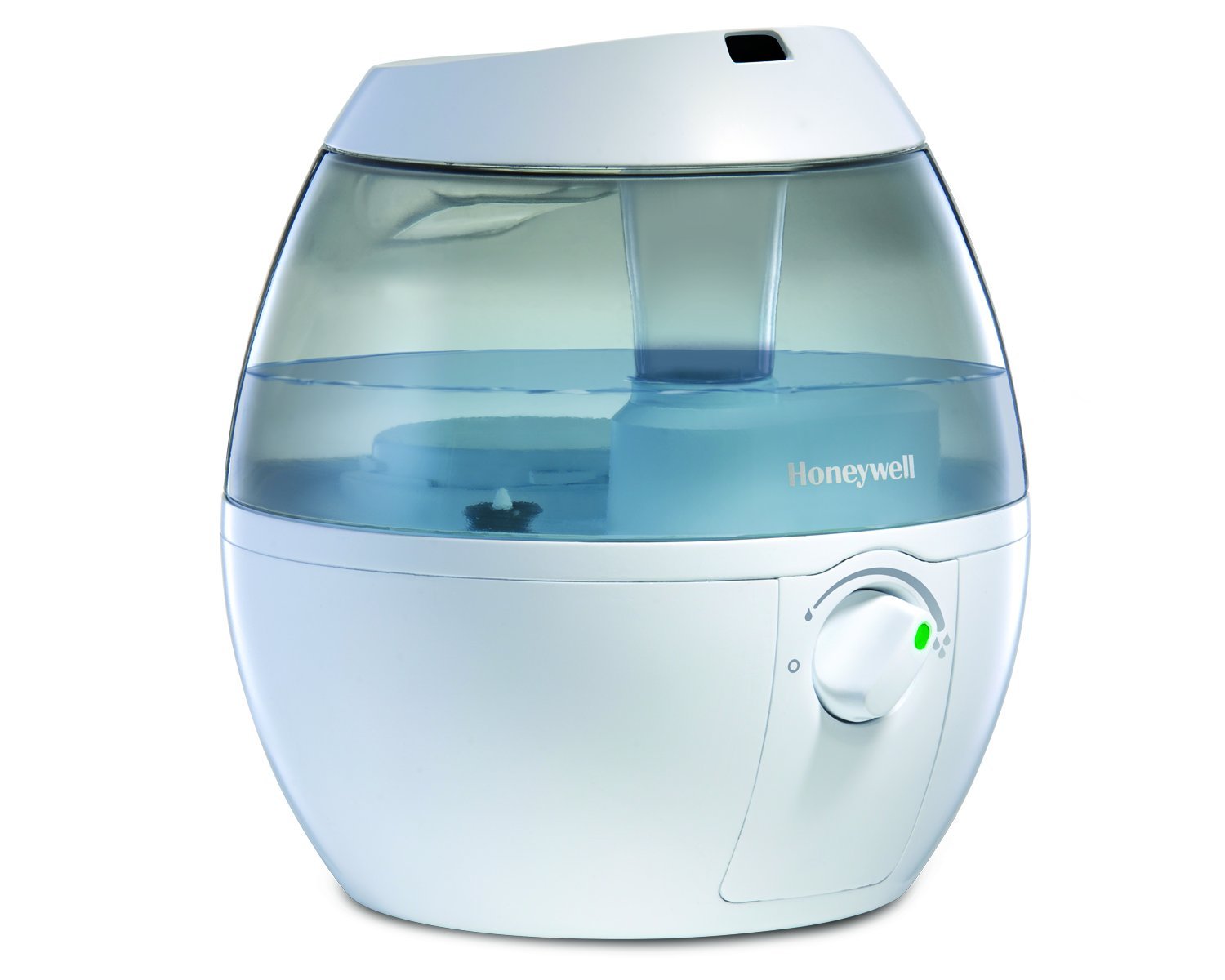
    We have a few different white noise methods we have used. For years, we used humidifiers. We live in a dry climate and a humidifier is nice anyway. As kids got older, however, they would at times play with the machine during independent play, so we moved to a white noise machine. But it works well for a baby. If you want a humidifier anyway and have an older child, you can always remove it when you get to doing roomtime each day. One thing to watch when purchasing is the noise. Many are made with the intent to be extremely quiet, so if you want one to double as a humidifier and a white noise machine, you might want to avoid the quiet ones.

    We have a Graco Sound Machine for each bedroom. We have owned three for many years and been happy with them. They have a night light, the white noise options, and can also play an iPod, which comes in handy for independent playtime. It can plug in or run off of batteries, which is handy for portability. It also has a timer function, so if you are worried about dependency, you can use that and have it turn off after your child has fallen asleep. We have been very happy with this machine and I would have no hesitation in purchasing it again.


    We also have a Dohm  sound machine. This is the best seller on Amazon. I am always up for trying out products in order to pass on if they are any good or not. I wanted a backup sound machine on hand in case one died since ours are all several years old. I decided I would take a small risk and try this one out. It is hard to buy something new when you love what you have--don't fix what isn't broken! It was only a small risk, however, since it rates so well and is the number one best seller. It is a great machine if all you want is a sound machine. The sound is a little different than the Graco. My older kids are a bit turned off by that, but my younger ones didn't bat an eye. It could be personality or just age. It doesn't have any additional features--it is just sound. But the sound is more natural sounding. It sounds more like the humidifiers we used. There is less to break in it since it is so simple. So it is a good machine and I don't think you would dislike it. I don't know what I would get between the two--I love the light, battery, and MP3 options of the Graco.

    Conclusion
    You might feel overwhelmed with this task of teaching a baby to sleep while sharing a room. I know a lot of these baby things can consume you and make something as simple as placing a stamp on an envelope to be too much! It can be done! You can follow these few simple ideas to help make the process easier. Be sure to see my below linked posts that can help you with the other aspects of sleep training and room sharing. You will be back to normal in no time--well, the new you normal :)

    Related Posts for Cry It Out and Sleep Training:

    Related Posts for Room Sharing:
    • Room Sharing {9 Tips}
    • Help Me Out: Room Sharing Tips
    • Related Posts for Siblings:
      If you don't already, be sure to follow me on Facebook. I share what is posted here each day along with other articles I find helpful and interesting. I also answer questions and do live Q&As each week. It is a great way to connect!

      Overcoming the Challenges of Adding a Baby to the Family


      Having a child changed my life. The first night Brayden was born, I was in awe. I was so in awe that I literally did not sleep all night long. I stayed up and just watched him the entire time. Clearly I had no concept of how precious sleep was! I would soon learn. But I was enthralled.

      Of course there were hard days ahead. There were moments, in the late night when I wanted to sleep but couldn't because he wouldn't sleep, that I wondered what we were thinking having a baby. Life had been so simple before! But as he settled in and I figured things out, I thoroughly loved being a mom.

      The birth of Brayden and his addition to my life was profound. It changed me and improved me. He and I spent all day every day together. When it came time to add another child to our family, there were a lot of questions. There had been a lot of questions with my first, too, but this time I had a better idea of what my questions should be! How would adding a second child change my life? Would the changes be as profound?

      By the time any of us are contemplating having a second child, we are experienced in the parenting world enough to be concerned over how that second child will change our lives. What will it do to our firstborn? What will it do to our family? What about our marriage relationship? Will we be able to give a second child enough attention? How will we maintain naps with more than one child? How will we maintain sanity!

      All of these are valid questions :)

      I think these concerns come up with the addition of each subsequent child, though as we get more, we come to be a little less worried about each detail getting disrupted. Here are five common areas of concern and my assurances you can overcome them.

      HOW WILL I MAINTAIN NAP SCHEDULES?
      If you felt trapped in the house with one baby's nap schedule, how are you going to feel with a baby plus an older sibling to work around? A baby needs a lot of naps, and how can you coop up your older child like that?!? Another side to this question is how do you keep the noise levels in your house in a state so the baby can sleep while the family lives life as normally? It was fine and dandy keeping the adults quiet, but now a child?!?

      Meeting the sleep needs of the older child is fairly easy. A baby basically sleeps all of the time, so it isn't going to be a problem for the baby to be home for the older child's one nap (in most cases--even if your older child is taking two naps, baby can easily work with that).

      The trick is meeting the needs of the baby. Some people feel very guilty in having the older child(ren) home as much as is needed for a baby to take naps. This is when flexibility needs to be considered. Now, I don't think you need to feel bad if you are all home more than usual during the relatively short period that your baby is sleeping all day long. It isn't bad for children to be home; you can do fun things at home. If you want more social interaction for your child, invite a friend over every so often.

      But it also isn't a bad thing for your baby to take some naps out of the crib sometimes. Remember a couple of rules. One is it is best to be home for baby's first nap of the day. It is a very important nap. Second is don't do it too often. Don't have baby miss naps daily unless you want nap problems to likely arise. How often can you disrupt naps? It will really depend on how naturally flexible that baby is. Some can really handle a lot. Some are pretty particular and need naps to be disrupted sparingly. For more guidance on this topic, see my posts Babywise With Baby Plus Older ChildManaging Baby Plus Older Kids' ActivitiesWelcoming Baby to the Familyand Managing the Entire Family's Schedules.

      Now for what to do so baby can nap with other children in the home. In short, have rules to respect sleeping people. I don't allow yelling, stomping, or other loud behaviors during naps. But I don't expect whispers and tip-toes either. For more on this, see Older Children While Baby Naps. Your level of strictness about this will likely depend greatly on how light/heavy of a sleeper your baby naturally is. My third was a very heavy sleeper and nothing would wake her up. My fourth was a very light sleeper. Because of this, we had to be more strict with the rules for baby four than baby three.

      HOW WILL I MEET EACH CHILD'S NEEDS?
      I think this is a big concern we have as parents. We really worry how having a baby will impact the time we are able to give to our other child. Let me assure you, you will be able to do it! Let me also assure you that your older child won't be scarred by you giving attention to someone other than him (I am a first born so I can speak from experience). It is a good thing for your child to have to learn to accept that all attention cannot be on him at all times. Not to say there won't be adjusting or anxiety, but your child will love the baby. See my post Meeting Needs of Each Child.

      I think it is a good idea to work to have one-on-one time with each child. We do special dates (see my post One-On-One Outingsand my Dates tab for ideas).

      WILL I HAVE TIME FOR ME?
      Yes! But less. I have actually found my time for myself to be an interesting journey. With just one child, I felt like I had no time for myself. As I got a grasp on parenting, I was able to get some. Then as I had my second child, I actually had more time for myself with two than I had when my first was just a baby. And I found that to be true even with my fourth. So you naturally develop skills in managing your time so you can have some to yourself. But of course with each child, you will have less free time. Each person you add to the house will require more of your time in various ways. The child needs attention. The child will have dirty laundry. The child will make messes, dirty dishes, need baths, etc. As children get older, they do not take up less of your time overall. Having time for yourself happens with effective time management. See my post We Don't Need to Live at a Frantic Pace for help with that.

      HOW WILL I KEEP THINGS AGE APPROPRIATE FOR EACH CHILD?
      This is one of the biggest challenges of raising multiple children. It is a challenge to keep things age-appropriate for each child. In reality, it is never perfect. The older child(ren) will at times be held below what is perfectly age-appropriate. The younger children will often be exposed to things and allowed to do things earlier than is ideal. That is the reality of life in a family and that is okay!

      There are things you can do proactively. First, get straight in your head the difference between Fair vs. Equal. Don't let yourself get suckered into trying to keep things equal. Make sure you know How to Set Boundaries. Set them! It is okay for younger children to not have the freedom older children have. Older children don't need to be kept back just so younger children don't feel left out. Keep the funnel in mind (see my post Siblings and the Funnel).

      When you initially have a baby, keeping things age appropriate will be easier to do. It gets harder as the baby grows to be a toddler. Even before then, older children will at times comment, "Why do I have to do xyz and the baby doesn't?" My response to this question is to point out what life will be like if it is equal for the children. "The baby takes two long naps a day. The baby sits in a high chair to eat and eats baby food. Are you sure you want you and the baby to be treated the exact same?" The response is always a no and the complaints come to a swift stop. The trick is, if the complained continued, I would do a few days of treated the older child the exact same, and they know it! So they are happy to live with the differences.

      As the younger child gets older, there will be things she wants to do that are not quite age appropriate for her. Make an evaluation of when that activity would be appropriate for that child and stick to that standard. There are many things the younger child won't be able to do no matter how much they push--like starting to play soccer. There is a minimum age and no amount of push will change that. Have the same line drawn at home for things that your younger child just isn't ready for.

      It can be helpful to have an idea of an age for things, but do also take into account individual children. Younger children might be ready for some things at an earlier age, and in some cases, it might need to be a later age than the older sibling started. 

      HOW DO I ROOM SHARE?
      How you arrange the house with a new baby is another challenge. Many families need (or want) to room share. See my post Room Sharing {9 Tips} for tips on how to do this successfully. Do not room share at naps--find separate locations for naps if at all possible. You can get creative. Kaitlyn took a couple of naps a day in my room for most of her first year of life. She did great! And it led her to be a very flexible sleeper. She would sleep anywhere.

      Room sharing at night is definitely doable and even fun. I remember when my sister was born. My parents gave me the option to have her in my room or in a different room. I remember choosing my room. I wanted to share (at least until I was about 9, then I was done ;) ).
      BONUS TIPS
      These are more tips I have for getting ready for a baby:
      CONCLUSION
      Should you have a second child (or third, fourth, etc)? Only you and your spouse can decide that. Let me assure you, the effort required to have a sibling for your child is well worth it! Having more children is a crazy ride, but it is a fun one full of adventure. And it will change your life.