Any links to Amazon are affiliate links. '
Showing posts with label sports. Show all posts

Why I Hate the Concept of Everyone Wins

Why I Hate the Concept of Everyone Wins. How everyone winning leads to everyone losing. 

Everyone is a winner. Participation trophies. Everyone wins and no one loses. I get it. I really do. I understand why people, especially parents, like the idea and concept of everybody wins. Everyone gets a trophy. No hurt feelings. No losers. We don't want to squash the ambitions of children. If they lose, they might give up and never try again. Let's just play for fun, not keep score, and keep everyone feeling good and happy.

Why I Hate the Concept of Everyone Wins. How everyone winning leads to everyone losing.


Yes, I understand the appeal of that idea. But I think it is wrong. I even actually hate it. 

This is of course when I step back and remove myself from the situation emotionally. Do I hate to see my child lose? You bet. I have seen my kids give something everything they have and still not come out on top. That is crushing. It crushes them, and only a parent understands the fact that we hurt even more than our kids do when they are hurt. We want to take that pain away from them. We want to protect them and preserve their innocence. We do not want to crush their spirit nor deter them from sticking with something that could be a real talent some day. 

But I have to look at my job as a parent from what I like to call an eternal perspective. In the grand scheme of life, of eternity, what is best for the child? What can I reasonably do long-term to keep up this everyone wins farce? What life lessons need to be learned while my child is a child rather than in adulthood? Will life protect the child in the same way I want to forever? What does my child need to experience to go on and live a fulfilling life as an adult?

My child cannot win at everything. My child needs to know that sometimes, you fail. Because in life, my child will fail. My child is a human and imperfect. Failure will come. My child needs to learn how to handle that failure. I don't need to protect my child from failure; I need to guide my child through failure. My child can learn more from losing than from winning. How you respond to failure is what shapes your future. 

If I am afraid of my child failing or losing so much that I pretend it never happened and hand him a trophy for last place, how will he feel when the day comes he realizes he failed? Will he feel ashamed? Confused? Paralyzed? Anxiety? If I give a trophy for losing, I show my child that I am not okay with loss, failure, or mistakes. We must make it all look pretty and perfect and pretend the bad never happened. That does not teach a child how to manage a failure when it comes in life (and it will come). 

I want my children to know that failure will come. That failure, mistakes, losing are all okay. That is a normal part of life. It is something to work through and improve upon, not hide from and bury down. When a loss or mistake happens in my child's life, I want my child to be emotionally fortified to face that disappointment, know it is normal, and move forward. 

Failure comes in all forms, including sin. I absolutely do not want my children to feel like they need to hide sin. Sin will happen, and my children need to know how to work through it, rise above, and improve upon themselves. 

A harsh truth in life is that sometimes you give it all you have and you still don't come out on top. Sometimes you train well and run your hardest, but you still don't win the race. One fall season, McKenna's recreation soccer team lost all but one game. They practiced regularly and played hard, but still lost. Those are hard seasons, but a lot of great lessons come from them. One great lesson that comes from losing is empathy. When we feel left out, we know what it feels like to be left out and try to be inclusive. When we lose a game, we know what it feels like to lose and can be more gracious winners. 

Kaitlyn has been playing on a competitive team for three years. Her first year, her team lost most games. They worked hard over the summer and came back and won almost every game that next season. The next season, they were moved up to play against girls two years older. They lost to every one of those older and bigger teams. But as players, and as a team, their skill and ability grew much more than it had against the teams they were beating every time. Sometimes loss is your best friend. 

I have seen my children work really hard at something, think they are giving it all they have, and not win. Upon reflection, they realize they didn't actually give it everything. They could have done more. So they do. They work harder and get even better. They become better than they would have been if they had been given a trophy for trying and sat comfortably believing they had done all they could, when in reality they had more to give. 

I have been writing this post in my mind for several years. I have done research on the topic. I have read the opposing side. I understand that participation trophies come from a place of concern and love. But I have read about the negative impact the "everyone gets a trophy" culture has done to people as they have entered adulthood. Participation trophies do more harm than good:
"Studies have shown that rewarding kids just for participating can have a negative impact, producing a self-obsessed, irresponsible, and unmotivated generation of false achievers. At the far end of the spectrum, inflated self-esteem has been found in criminals, junkies, and bullies, which is supposed to have been what the self-esteem movement was trying to steer children away from."
The authors of one of my favorite books, Nurture Shock, stated:
"The science is clear. Awards can be powerful motivators, but nonstop recognition does not inspire children to succeed. Instead, it can cause them to underachieve." Losing is Good for You
Look, kids are smart. They learn to count before they enter Kindergarten. They have eyes and can clearly see the quality of work done by both themselves and their peers. Most kids know who won the game, even if the adults didn't keep score. They know if they didn't win and they know if they did. They know if they are good at something or not. Telling the winners everyone won and the losers they won, too, doesn't do any group a favor. It leaves both ends of the spectrum unmotivated to do more.

Several years ago, I read an article in our local paper discussing an alarming rise in antidepressants needed by college students at our local university. College kids were having more and more anxiety and mental issues. A physician interviewed at the university hypothesized it was because these students had never learned to fail. They had always been told they won, and guess what? College isn't like that. It shouldn't be because life isn't like that. Work isn't like that. You have to earn promotions, not just show up and sit there. Even more concerning to me now, several years later, is that parents are now showing up at the university to fight their college aged students battles for them. If the kid doesn't score well enough on the test, mom literally shows up in the professor's office. Mom! 

I know on some level, we step back as parents and really want to protect our children on all levels. No emotional pain. No physical pain. No disappointments. No friend problems. No bad choices. We
Why I Hate the Concept of Everyone Wins. How everyone winning leads to everyone losing.
want to control all aspects of their lives for them.

But that isn't the best way to love your children. They need to learn how to deal with all of those issues and more. They need to learn to pick themselves back up. They need to make their own choices and live with their own consequences, good and bad. That is how we as humans grow and become better people. 

It has been said that no one wins when everyone wins. Let me wrap this up with a few quotes I find ring true:

“Winning is great, sure, but if you are really going to do something in life, the secret is learning how to lose. Nobody goes undefeated all the time. If you can pick up after a crushing defeat, and go on to win again, you are going to be a champion someday.” Wilma Rudolph

“You learn more from losing than winning. You learn how to keep going.” Morgan Wootten

“You can’t win unless you learn how to lose.” Kareem Abdul-Jabbar

I believe failure is good for us at times. I believe it so much that I have my kids try new things--things that will be hard. I have them participate in things even if they aren't the best or most talented. I want them to learn to work, empathize, and know other people are good at stuff, too, and that is okay. 

Related Posts:

Quick and Easy Meals for Busy Nights

Quick and Easy Meals for Busy Nights

It is currently soccer season for us, and soccer season means that we have a lot of busy nights. This has never been more true than this spring since it is our first time having four children playing soccer. That means we can have 8 games a week. We have 5 practices a week (Kaitlyn practices twice a week). My husband coaches two of the teams and is the assistant with Kaitlyn's team. Oh, and did I mention we are still working on our house addition (you can see progress photos on Instagram!).

I know we aren't the only ones out there with busy seasons. We all need great ideas for busy night meals. Here are some of my favorites. I would love to hear yours!

Breakfast for Dinner
Breakfast foods typically do not take a lot of time to make. Having breakfast for dinner is a great option for a busy night! Various pancakes, breakfast burritos, quiche, omelets, waffles...so many options. 

Slow-Cooker
Ah the good old slow cooker. Another great, classic option for your busy evenings. I try to always have one slow cooker meal worked into my weekly meal plan. I have shared some of my favorite recipes in the past:
Slowcooker BBQ Chicken

 Slowcooker Black Bean Salsa Chicken

 Slowcooker Lasagna

I have these two books below I reference often when I need slow-cooker ideas. They even include how-tos on changing any recipe you love into a slow-cooker recipe. These are both affiliate links. 


Instant Pot
The Instant Pot is the new slow cooker. I have been testing the waters with the Instant Pot and it is a great way to cook something faster. It can also be used as a slow cooker, so you can have your cake and eat it to with this one machine.

One of my favorite things I have tried in the Instapot is this curry soup from Six Sisters' Stuff. Something to keep in mind when turning to the Instapot is that it takes time for it to come up to pressure. So you might think something will take 30 minutes, but it takes 45 because of the coming ot pressure time. Just keep that in mind as you are planning out what to do for dinner and when you need to start. This is the Instant Pot I have and love (this is an affiliate link):


Sandwiches
Hey some nights are going to need to be a sandwich night. My kids love these nights because I allow any kind of sandwich and they can choose what they like. Peanut butter and jelly, meat and cheese, grilled cheese...sandwiches don't have to be boring. Even fancier ones can be done rather quickly. Add some avocado or some pesto sauce to a turkey sandwich and it takes that sandwich up a notch! Don't forget about things like egg salad sandwiches, sloppy joes, and BLTs! Add some raw fruits and veggies for a fast, easy meal.

Pastas
A lot of pasta dishes can be cooked rather quickly. Even if you make the sauce from scratch, a lot of them can be done in 20-30 minutes. If I want to do spaghetti and meatballs on a busy night, I will put the meatballs in the slow cooker all day with the sauce, then I only need to cook the noodles when I get home. We love salad (which can be made ahead of time), green beans, or asparagus with our pasta dishes.

Salads
The first time I made a salad for dinner, the kids approached with trepidation. Salads are for sides, and they envisioned starvation ahead. Now they love it! Salad with some grilled chicken...some homemade dressing...delicious!

Leftovers
If your family will eat leftovers, having a busy night be leftover night is a great way to get dinner done.

Favorite Recipes
As you go about your food-making year round, take note of the recipes you like that are fast so you can turn to those on your busy nights. Beyond the general categories I have shared, some specific
Quick and Easy Meals for Busy Nights
recipes I like are:


Extra Tips
If you are having a buy night, you will have so much more success with dinner if you plan ahead a bit. Make a meal plan for the week. Think through each day and take note of the ones you will need something fast for. I typically like to leave my meal plan fluid, meaning I just choose 7 meals for the week and decide as I go which I will make which day. During busy seasons, though, I assign ahead of time so I am sure I get the fast meals on the busy days.

At breakfast each day, decide what you are having for dinner and do any prep that needs to be done. That way you aren't at 3 PM realizing you needed to do a slow cooker meal that day. Oops.

What are your favorite meals to make on busy nights? I would love to hear ideas!

Choosing a Coach/Teacher...How to Find the Right Fit


I look back on it as one of my biggest parenting mistakes ever. Perhaps it is my worst mistake. At the time, I wasn't sure what was the best thing to do. As I reflect, I regret the way things panned out. I regret the path I allowed my child to take. Or the path I left my child on, rather.

Kaitlyn was in first grade. She had taken dance since she was three years old and had always loved it. While we loved the studio we were at while she was young, Kaitlyn proved to outgrow it. At the end of her Kindergarten year, we decided it was time for more challenge. 

After some asking around, we settled on a studio that had been open for 30 plus years. I heard great things. Soon after starting the dance year, Kaitlyn started to express dislike for dancing. This was quite the shock since she had always loved it. I decided to hang around dance instead of dropping her off and running errands. I couldn't go in the room, but I could sit in the waiting room and from there, I could hear everything. 

What I heard was shocking. The teacher was unkind, to put it mildly. She told these little six year olds things like "That wasn't good enough!" and "If you aren't good enough, you can't be on the front row!" "We will do this over and over until every person has it perfect!" These things were all said in a gruff tone. I wouldn't have been happy with the way the teacher was talking to the girls under any circumstance, but this was a recreation class of 15 six year old girls. They were not competitive dancers. 

Kaitlyn is a peacemaker who does not like conflict. Her way of dealing with conflict is to avoid it. She wanted to avoid it by quitting dance. 

I hoped Kaitlyn would be put on the front row so I could go complain to the studio owner about this teacher. I knew if I complained after she had been put on the back row I would look like a disgruntled parent. 

The next week, the girls were placed and Kaitlyn was put in the front and middle. Hurray! But I discovered a major road block. This mean teacher was the studio owner's daughter. I felt stuck. I decided against saying anything.

And that is my moment of regret. I regret not going to the studio owner to stand up for my daughter. I was not alone. The class was full of parents who were upset and frustrated. We sat by week after week while our girls were verbally abused by this teacher. By the end of the year, only 5 of the 15 girls were willing to continue dancing at that studio. Most were unwilling to continue dancing at all. Kaitlyn was one of them. 

The interesting thing is that McKenna also danced at this studio. She also had a daughter of the owner. McKenna's dance experience was very different. She LOVED her teacher and her teacher was so sweet. She loved dance. 

But I couldn't risk one of my daughter's getting the mean teacher again, so we jumped studios. I apologized to Kaitlyn and promised to never leave her in a situation like that again. 

I talked Kaitlyn into trying dance one more year on the condition that it would be a different studio. Within a month of being there, Kaitlyn begged to add a second dance class. This is the girl who was ready to quit dance and walk away forever. As a third grader now, she still takes dance and absolutely loves it!

The business you send your child to and the teacher/coach your child has are both HUGE contributors to the quality of experience your child will have. Those two factors will determine if your child enjoys the activity or not. 

It isn't a simple thing to teach or coach a child. You need to be in control, yet have love and respect for the students. You need to expect the best from the child, but not perfection. You need to encourage and uplift. You need to believe in the child. You also need to push the child. The child will not enjoy it deeply if the child is not pushed to try harder and be better. Who your child has as a coach or teacher does matter.

Your child's teacher or coach will shape your child's view of work ethic and effort. McKenna takes gymnastics. In her gymnastics experience, she changes coaches every time she moves up a level and also each summer and each new school year. She has had coaches who pass off anything close and coaches who will only pass off perfection. Some coaches are noticeably better at getting the children to do their best and learn the most they can. She has had coaches who really seem like a waste of time and money. 

The right coach or teacher is a big deal. Not only does your child learn about the sport/instrument/etc. from that person, but life lessons. So how do you find the right fit? And what do you do if the fit is not good?

1-Ask Around
Ask your friends and neighbors where they recommend. Ask people who are similar to yourself or who have children with similar dispositions. If you are type A and ask your type B neighbor, she will have a different measuring stick than you will. 

2-Ask Questions
When you are considering a coach, studio, or teacher, treat it like a job interview. Ask their policies on dress, attendance, behavior, skills, etc. Ask about philosophies and goals. When Kaitlyn wanted to start playing competitive soccer, my husband talked extensively with her potential coach. After talking with him, Nate felt good about him. Nate felt the coach's values, goals, and coaching style were in line with what we wanted. We have not been disappointed!

3-Test Run
Once you have a good feel for who you might like, give it a test run. Many studios have summer camps. This is a great way to try a place out without committing to a full year. Some places allow you to try a class out before committing. Our gymnastics gym is this way. My children have been able to try a class 1-2 times before deciding if they want to do it. 

4-Decide on Quitting Policy
Most things start out fun, but once the honeymoon wears off, there can be a "I don't want to!" come from your child. Most adults I know who were above-average good at something wanted to quit at one point and their parents wouldn't let them. In general, it is wise to have a "no-quitting" policy. You can reevaluate at a natural break--like in between seasons or before a new payment is due. 

5-But Have Flexibility
We are big on no-quitting. What I didn't do with Kaitlyn was allow for extenuating circumstances. In retrospect, I should have looked around for a studio that would have accepted her halfway through the year (many do) and moved as soon as the winter recital was done. I knew it was a bad situation, I knew she had always loved dance, and I knew she was not being lazy or dramatic. 

6-Have Patience for Volunteers
If you are having frustration with a volunteer coach for a recreational sport like soccer or basketball, have some patience for the coach. It is very easy to sit on the sidelines and criticize a coach's decisions. Being a coach means you have a lot to think about all at once and it is harder to focus on your players and the game before you while also taking a step back and think things through. If you don't like it, resolve to be the coach next time.

I actually think anyone who complains about a volunteer should step in and do the job the next time. People will usually stop complaining once they realize what it is like to do the job. 

You even need to have patience for those getting paid sometimes. At our current dance studio, they have been open for only a few years. There are growing pains associated with a start-up. I have recognized they are figuring some things out, and the owners have recognized those things also. They are evolving and changing and going through trial and error. In the meantime, the dance instruction is great and Kaitlyn loves to dance, so we can be patient with things like revues that go way too long while they get it figured out.

7-Do Address Problems
Like I said, I regret not sticking up for Kaitlyn when she was in that situation in dance. I did what I thought was best at the time. I view that teacher as a bully and often bullies make life harder on whistle blowers. I didn't want her making things even more miserable for Kaitlyn because her mom complained. 

Since then, however, I have not hesitated to go to an authority over a teacher if I feel the teacher is out of line. It has only happened once since then and the outcome was positive. Don't let every bad look ruffle your Mama feathers. Your child isn't perfect and neither is your child's teacher. Only address real problems, not every time an ego is hurt.

8-Recognize Growing Opportunities
In life, we deal with difficult people and difficult situations. Learning to deal with those can be a great time to help your child grow. Don't rescue your child from every teacher or coach who isn't perfect. Give the situation a fair shot and only take action when your child is being negatively impacted in a long-term way. Children need to learn who to handle personality conflicts. If your child is in a short-term activity, like a sport that lasts two months, I would recommend just sticking it out unless you think it is really super damaging. 

9-Assess Regularly
After each session of whatever you are doing ends, evaluate the situation. Is your child's piano teacher still a good fit? If not, find a new one. Like I said, we initially loved Kaitlyn's first dance studio. It was a great studio for a young dancer. She got to the point, however, that she outgrew it. She needed more of a challenge. 

Conclusion
In the end, you want a teacher or coach who will inspire your child to love the activity. You want your child to learn and grow, but you don't want your child pushed so hard that your child loses a love for the activity. Do your homework and trust your gut. 


Today the ladies from the BFBN are talking about different aspects of trusting your children in the care of others. Go visit their blogs to read more! 


Follow Babywise Friendly Blog Network.'s board Childcare on Pinterest.

Follow Babywise Friendly Blog Network.'s board Sports, Dance, and Athletics on Pinterest.

Going to Your Kids' Games Prepared


This wasn't exactly the vision I had in mind. Most things in the real life of parenting aren't, but this almost seemed insane. My feet were soaked. My bones were cold. Here we were, grown adults, sitting in a downpour, huddled under umbrellas maybe. Some were just in coats. Then you looked at the children!

The children were running around in the rain, feet splashing along, shoes getting more and more wet with each step. Their hair was matted to their heads. Unlike their parents, however, they were having a grand time. 

This is spring soccer in Utah. 

And that is just one aspect of spring soccer. We can have bright, hot sun at Saturday's game and a snowstorm during Tuesday's game. We experience the full spectrum of the seasons during our soccer game experience. Fall soccer is usually more mild overall, but still offers a full range of weather.

As a novice spectator, you spend your games pretty cold or hot. You go home and take 3 hours to defrost or you go home suburnt. It is always an adventure. As you attend these games and look around, you start to notice something. There is a handful of people who come and go from the games unscathed. These people are pros. It is obviously not their first soccer season as a spectator. These people are prepared

We have been soccer spectators as parents for seven years now. I think we have finally figured out the best of the best for spectator equipment at games. We really solidified this after Kaitlyn joined a competative soccer team. That's when you get your best schooling. Suddenly, soccer runs spring through fall, not spring and fall. If we thought an 80 degree noon game in April was hot...oh just enter the July tournament when the days are at 100 degrees. 20 degrees can make a big difference. 

When you see 90% of the parents watching these competitive games have the same types of items to protect themselves, you know they are legit. This is what we use to protect ourselves while watching outdoor sports. This post contains affiliate links. 

Sport-Brella
The Sport-Brella Umbrella is everything it is cracked up to be. You can have it tipped (as shown in the picture. When it is this way, we can fit my husband and me in front. We can also fit 2-3 kids sitting in the back of it on their small camp chairs. This works well for the storms--from rain to wind to snow. It can also work well for just a sunny day. You can also leave it up just as an umbrella. This way works well for sticking in the ground and giving yourself some shade. This is the number one most common item parents have who watch sporting events outside. I was a little hesitant at first to get this just because it is about $50. That isn't a TON of money, but a lot for an umbrella! It has been handy in many cases, though. We have taken it to the water park, to parades, to countless games, camping, to the beach...once you have it, it is very handy in your life. We used to use our Quik Shade before getting the Sport-Brella. The Sport-Brella protects better, is easier to carry around, and can be set up by one person. Definitely better. 

Umbrella Stand
If you get an umbrella, then you will like an umbrella stand. It helps get the umbrella solid in the ground. It is especially helpful in dry months because the ground is much harder. 

Blankets
We keep a few blankets in our vehicle at all times in case of emergencies. Blankets are very helpful for those cold games! You might also find something like an Outdoor Blanket handy. This is a weather proof blanket for putting under you. It can be nice for sitting on damp or dirty ground. Outdoor blankets are easy to clean. We use our outdoor blanket more at the park or beach than at sports games, but we always have it in our vehicle and pull it out when the need arises. 

Chairs
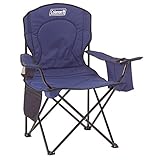
You will want to have some chairs to sit on. We always just use our camp chairs. We can use these camping, at a myriad of sporting events, swim meets, in the yard, at parades, at fireworks...We like these chairs best and it is the type of chair I see way more than any other. I think most people camp around here, so people tend to own them already. They fold up compactly and are easy to port around. 


Sunscreen
Sunscreen is wise to have on hand whenever you are out in the sun. Of course it is best applied before you leave home, but better late than never. 

Layers
You want to dress in layers and you want your player in layers (unless it is really hot!). Wear rain
coats, winter coats, wind breakers....He a long-sleeved shirt on, a sweat shirt...keep your shoes appropriate for the weather. Hats and gloves might be necessary. For my players, if it is a cold day, I really like Under Armour under the jersey. It helps keep them dry and warm. It wicks moisture away and dries quickly. 

Squirt Bottle
In the heat, a simple squirt bottle can go a long way. You can cool your players and spectators down with a nice spritz. 

Water
Very little is more annoying than a thirsty child. Oh the whining! Of course we usually think to bring water for the player. Bring water for the spectators, too! If not, you will either be giving your player's water to the other children or listening to some incessant complaining. 

Food
We don't do "all day snacking" at our house. We actually rarely snack at all. I am all for having snacks at games, though. It keeps kids happy while sitting and watching a sport they have little interest watching. 

Extra Balls
If the game will be in a location that allows it, bring along extra balls for your other children to play with. Just know, odds are you will one day lose a ball. We lost two basketballs this past season even with our name and phone number on the balls. A game gets over and people just pick up balls and go. You have to be willing to take that risk if you take a ball. Your payoff is entertained children. 

Team Treats
If your child is on a team that has parents bring treats (which I really don't love, but it is the reality of life), I have found it to be wise to just put some treats in your vehicle at the beginning of the season. It is no fun to arrive at a game and realize it was your day to bring treats. We have also had situations where the person whose turn it is forgot and we have had our treats on hand to pass out for them. 

Related Posts:

Competitive Sports for Kids {the Good, Bad, and Real}


Competitive sports for children are starting younger and younger. More children are starting playing competitive sports and younger ages and more leagues are dropping the age minimum for playing on a competitive level. So is playing a competitive sport good or bad? What is the reality of playing competitively?

Our experience with competitive sports so far is limited with only two children being old enough to participate. Brayden swims competitively and plays in a competitive basketball league. Kaitlyn plays competitive soccer. 

Now, there are things McKenna could be doing competitively. She could be doing dance or cheer. She is almost ready to do swimming. She is approaching the skills needed for gymnastics. But she is 6, and for our family, we have decided 6 is too young to commit to something on a competitive level. My main reason for that thinking is that I want my children to experience multiple activities before choosing one to focus on. Once you choose a focus, other things have to go. 

That doesn't mean 6 is too young for every child out there. That is the decision we made for our family. Decide what is best for yours. 

Good
  • The child has to work to play: When a child leaves the recreation sports world and enters competitive sports, your child now needs to earn that playing time. The coach no longer works to make sure everyone is in for the same number of minutes. Different coaches do things differently, but typically a coach rewards effort, heart, and dedication. Skill is also a high consideration on playing time. So if a child wants to play more, a child has to put in the effort to earn it. If your child doesn't love the sport enough or have the will to put extra time into it, moving to playing competitively might not be the best option for your child.

    When Brayden started competitive basketball this year, it was his first team sport on a competitive level. It was his first time having to try hard to earn playing time. He has risen to the occasion. On top of his team practices, he gets up early twice a week and he and my husband spend time practicing before school. He has seen improvement and he is learning a valuable lesson about what practice can do in a sport.

    It is worth noting not all competitive avenues will have this benefit--for example, in competitive swimming at Brayden's level, any registered swimmer on a team can enter a race at a swim meet for many meets. Some meets do have requirements for you having previously raced at a certain speed or faster, like state meets. 
  • Skills improve: When you play against better players, you get better. You are also practicing more. This last spring, Kaitlyn joined a competitive soccer team for her first time. Previous to this, she played soccer for two months each fall and two months each spring. Once she was on the competitive team, that season extended through the summer. So she played her two spring months and continued two practices a week all summer (save a two week break). Then fall season started. Once it ended, they continued practicing one time a week for two more months. They are on a two month break right now. When you play that much more, you just get better. 
  • The child plays with people who know the game: As you continue to get older, you still get children playing in a recreation league who have never played the sport before. There is nothing wrong with that at all--I think children should be allowed to join at any age. I never played a minute of soccer until I was pushing 30, so I am all for people trying new things when they want to. Some children can find it frustrating when they want to play a game on a certain level and can't because not enough people know how to play. Sometimes rec teams get put together unfairly so you have a team of primarily new kids and a team of 6 year veterans. Some children will enjoy playing competitively in order to play against children who know how to play.
  • The child learns to channel nerves: The stakes feel higher competitively. You might go to tournaments. Even at the end of a normal season, teams are given placings and medals or trophies that reflect those placings (which I happen to think is fabulous). All through life, we face nerves. Nerves facing tests in college. Nerves facing a job interview. Nerves making certain decisions. Nerves having a baby...nerves are part of life. 
  • Children develop close friendships and bonds: When you spend your time with people, you usually get close to them. I love the friendship that comes from being a part of a group or team. When you work together toward common goals, a bond develops. 
  • Competitive sports can teach invaluable life skills: Practice pays off. You have to be a team player. You need to rely on other people. Sometimes you can work your hardest and still not win. Patience. Endurance. Tenacity. These are all skills that a person develops when they put the time and effort into something that a competitive team requires. 
  • Children learn to work hard physically: Your body can do so much more than you think it can or it thinks it can. Physical fitness builds mental toughness. My husband played football growing up. He often reflects on his high school workouts as a football player and knows if he could handle that, he can handle whatever life is throwing his way at the time. 
Bad
  • Limits number of sports a child can play: There is only so much time in a day. There is only so much you can dedicate in life. Once you dedicate time to one sport, it limits your options in others. Most sports have seasons and a child is able to play each sport in its respective seasons, but once you go comp, your season extends for that sport. That will means if you start another sport, you will have to give some things up in another. For example, last Fall, Brayden did rec basketball. He missed two of his games because he was racing in swim meets. This winter, he is doing competitive basketball. He is having to miss swim practice one day a week for basketball practice. He will miss part of a swim meet because of basketball later this month. 
  • Skills aren't built from other sports: Because your ability to commit to other sports may be limited, you might not be able to play other sports enough to develop those skills. Many skills are transferable among sports. This article really sums up the importance of being able to play multiple sports.
  • Injuries can increase: We are finding as more children play one sport year round that injuries are increasing. Children are still growing and are susceptible to injuries from focusing too much on one sport. This article is helpful if you want to read more about this.
  • Children get burnt out and end up hating the sport: This happens often. I have a friend whose niece was recently offered a full scholarship to a university to play soccer. She turned it down. By that point, she decided she hated soccer. She had played it too much.

    We had a neighbor who breathed soccer. He played it as soon as he got home from school until it was time for bed. We moved, but a few years later saw the father and asked how soccer was going. "He hates it. He won't even look at a soccer ball anymore." Burn out is a real thing, even when children love a sport.
  • It takes a lot of time: A competitive sport takes up a lot of time for the child and by association for the entire family. If you have one or two children, playing a competitive sport might be very manageable. Make that several kids and things get tricky. 
  • It takes more money than the same recreational level sport: Competitive sports take a lot more money. It is more money to register to play the sport. Then you add jersies. You often add equipment for the team costs. You have tournament registration costs. Travel costs. It all adds up, and it adds up quickly. 
  • Children fear making a mistake and losing the game for the team: Remember that pressure I talked about in the "good" section? That doesn't always lead to a "good." Sometimes it leads to a "bad" with a lot of stress and anxiety over making a mistake. 
  • Children can have such little playing time that skills don't develop or they don't enjoy it: When a child signs up to play a sport, the child wants to play the sport. The child doesn't want to sit. Rarely are kids happy with sitting. If a child is on the side of sitting on the bench more than playing, the child will not enjoy it. The child will also risk not improving skills-wise with not as much playing time. 
How to Get the Good and Limit the Bad
  • Find a good coach: A good coach is so valuable. A good coach will work with the children
    and give them as much as he/she can to help the child improve. A good coach will focus on more than the win in the particular game. A good coach won't accept too many players on the team so kids have to sit more than is reasonable. 
  • Require commitment: If your child wants to participate in a team sport, make it clear what will be required. Once the child is signed up and on board, make sure the expectation is that commitment will follow. We make it clear that we don't care if the child is the best or not, but we do want our child to be doing his/her best. We are not paying extra money and putting in extra time unless the child is willing to put in extra effort. So much of the "good" list only happens if the child works. Finish out the season and reevaluate when it is over. 
  • Make sure it is fun: The experience needs to be enjoyable for the child. That will depend on your child's attitude, your attitude, and the coaches attitude. 
  • But learn from the challenges: It won't always be "fun." There will be times of hard work. There will be failures and freak accidents that seem unfair. There will be bad calls. Learn from the challenges. At one swim meet, Brayden dove in the pool to swim his best stroke. He was having his best meet of his short career and this was going to top it off. But his goggles came off in the dive. He panicked and looked at me with fear in his eyes. I told him to keep going. He did. He got probably his worst time ever on that stroke, but he finished that race and wasn't ever disqualified. His team cheered for him like I have never heard them cheer for any one person. Most have been there. He felt support. He felt pride that he completed even under hard circumstances. We point out that those are moments he will remember forever and draw strength from in the future. Those are learning moments.
  • Allow breaks: Don't push your child too hard too fast. Burn out happens in every competitive avenue. The way to avoid that is to allow breaks. Kaitlyn had the opportunity to do a winter soccer league indoors. We chose not to do that so she could freely play basketball and let soccer leave her brain for a few months. Kaitlyn doesn't even know what her favorite sport to play is yet and we don't want her to focus in on one sport. Brayden should be going to swim team practice five days a week. He is ten years old. We have him go three days a week. We also make sure we work it out so one of those days is not Friday. We will also make sure if things are super busy with other stuff and he can only go twice one week that we are okay with that. We don't want him to hate swimming and want to give it up because he got too much of a good thing at a young age. 
  • Know the process: Assuming this was your child's idea, your child will likely start out loving it. Then reality will set in and your child will not like it and will want to quit. This is the hard parenting moment. I strongly encourage you to have your child finish out the season and reevaluate at the end. Look, a competitive activity is hard work. It starts out seeming glamorous, but as soon as the reality of the work required sets in, the child may want out. This is how Brayden was with swimming his first year. I told him that he wasn't allowed to quit mid-season, but we would reevaluate after it was over before signing on for the next season. By then he had been through the hard times, over the hump, and really enjoyed it. He continued. Your child needs to see what happens when you push through and keep trying.

    This is a common process in people in general. I even see it in my kids in the musicals I direct. It starts out exciting, but the beginning is a lot of little details and practicing songs and just learning dance moves. There is a long period of time it isn't a lot of fun (except for those kids who can't get enough--there are always those kids). If they push through, however, the payout is fantastic. 
  • Don't sign the child up unless the child really wants to do it: Competitive activities take enough effort that you don't want to sign the child up unless the child really wants to put in the required effort. Explain what will and could be required. Don't sugar coat it. Talk about how it will be different from rec sports. Talk about what could be hard. Also talk about what can be great. 
  • Diversify: Make sure your child is able to play different sports and do different things. Kaitlyn still takes piano lessons. She still takes dance class. She is still participating in a musical. She played softball and basketball. Brayden still takes piano lessons. He participates in scouts. He is in a musical. Beyond that, make sure there is still time for downtime at home and time to play with friends. Free play is important. 
  • Encourage effort: Be accepting of effort. Don't expect professional performance. Expect best effort and nothing more.  
  • Point out improvements made: "You have really been working on rebounding and today you made a lot of rebounds! That work paid off." It is good for children to recognize when their efforts have resulted in improvement. 
  • Be okay with a loss: A lot can be learned from losing a game. Be okay with losing. It is easy to be happy when you win. Losses will come and you all need to be okay with that. 
  • Don't disparage the coach in front of your child: I won't even do this in a rec situation. Sometimes a coach does something you wouldn't have done yourself. But as soon as you talk bad about your child's coach, it opens the door for your child to blame the coach and not accept personal responsibility. I am sure there are times people will need to say, "Hey, what your coach did wasn't right." Most of the time, however, it is best to keep comments away from your child.

    Also, most of the time, my husband is the coach for our kids. Coaching isn't easy and it is full of judgement calls. Most of the time, coaches are doing the best they can. 
  • Carpool: The impact of time on the family can be greatly reduced by carpooling. With Kaitlyn's soccer, she would need to be at games 30 minutes early at least. If we had a conflict with that 30 minute window, we would call up a team mate and see if they could take her and we went in time for the game to start. We would take other kids when other people needed help. Carpool to practices. Help make life easier for everyone. 
  • Take personality into account: Is your child an introvert? If so, be very mindful of the number of days a week your child is committed to something. Brayden is an introvert and can only handle so much time away from home before he gets flustered with life. Kaitlyn, on the other hand, is an extrovert and seemingly can't get enough time out having fun playing sports and doing other activities with friends. 
  • Don't make it about scholarships: Odds of even playing as a collegiate athlete are slim, much less a full scholarship. Statistics say around 7% of high school athletes go on to play in college. Not all players get a full ride scholarship. Don't do it for the scholarship. Your money that you are spending on competitions, gear, and fees can go into a savings account instead and you can pay for college that way. 
  • Don't live your dreams through your child: Don't force your dream on your child, whether it be that you achieved your dream and want your child to enjoy it also or that you wish you had pursued a dream and didn't. Many children will do things just because their parents want them to even if they don't enjoy it. 

Your child can have a great experience with competitive sports if you are wise about the process. Do it for the right reasons. Find a great coach. Expect difficulty. Learn from the difficult times. 

Related Posts:

Brayden Summary: 10.5 Years Old

Brayden is a very good and very sweet big brother

This is a summary for Brayden from 10.25 - 10.5 years old.

EATING
Eating is going as usual. He eats well. He eats a lot (though not as much as he will eat someday!).

SLEEPING
Brayden once again did not have a getting out of bed streak! It is so exciting. That marks more than 6 months without a streak. 

SCHOOL
School is in session. Brayden is in fifth grade. He is really enjoying it. He is a good student and enjoys school. His teacher is creative about having him do things to keep him challenged and interested at school. She is a very experienced teacher and just very naturally integrates things for him to do. One example is she had him and his good friend print out and display one million dots. She gave them a page with some dots on it and had them mathematically figure out how many pages would need to be printed. They then put them up in the hall. They really enjoyed that. 


CHICAGO
Brayden loved our trip to Chicago. He loves learning about new things and visiting new places. He also really enjoyed it because he currently wants to be an architect when he grows up. 

SPORTS
Brayden is still swimming competitively on a swim team. He is continually getting better at that. At his last swim meet, he dropped time in three races and got the same time in the other one. 

He tried a new sport this fall; he tried flag football. Brayden has always insisted that he will never, ever, ever play football. While I love football, I can't say I felt bad about the idea of him not going for that sport. But I did want him to understand the game well and knew flag football would be a fun way to get to know the sport. He and a bunch of his friends decided to try out flag football. Brayden really enjoyed it. 

Toward the end of this time period, he started fall basketball. 

PIANO
Piano is going very well. Music is one of Brayden's favorite things in life. 

Brayden was Dumbledore for Halloween


BOOKS
Here are some books he loves (you can see more and keep up on books he reads and loves on my Chapter Books for Boys  board. I also have one for girls). We have previously always had the AR program in our school, but sadly this year, it had to go due to funding issues. The plus side is that since Brayden isn't concerned about getting AR points, he is re-reading some of his favorite series. The links below are affiliate links:

  • Spirit Animals by Brandon Mull. The first book is by Mull, but each book in the series is by a different author. Brayden said that is a hard thing about this series--that the authors change. This is his second time reading the series. He likes it better now as a fifth grader than he did as a third grader. 
  • The Unwanteds by Lisa McMann. This is his favorite series right now.
  • Percy Jackson series by Rick Riordan
  • Inheritance Cycle series by Christopher Paolini
  • Lord of the Rings by J. R. R. Tolkien
SCHEDULE
Brayden's Schedule. This is a typical school day:

7:00 AM--wake up. Get ready. He does basic chores and practices his piano in the mornings.
9:00 AM--school
4:00 PM--home
5:00/5:30 PM--Dinner. Then time with family.
7:30 PM Start getting ready for bed.
8:30-9:00 PM--in bed

What Age Should Children Start Activities?


As you cute little one grows older, you will find yourself wondering what age is appropriate to start activities like dance, sports, and/or music. Or maybe your cute little one is old enough you feel like you have ruined any chance of major success at anything because you haven't enrolled your almost five year old into anything yet.

First of all, don't panic if you fall into the latter. While organized sports are starting at younger and younger ages, that doesn't mean your child has missed out on anything that he/she can't pick up on in a couple of games. Most young players in soccer, for example, run up and down the field after the bunch without really realizing what the goal of the game is (and that is why my husband and I call it bunch ball).

WHAT AGE TO START?
There is no magic number to give you here. There is no one right age for every child and every family situation. Even in our own family, we have varied a lot. 

Brayden didn't do an activity until he was 4.5, and his first "activity" was preschool. He was close to 5 when he first played a sport (soccer) and was 5 when he took his first swimming lesson. So when I tell you not to panic, I tell you from a place of knowing what it is like to have an "older" child who hasn't done activities. 

This made sense for Brayden and our family and I don't regret it at all. Let me give you a little insight into why this happened. Reason number one is our number two child came along when Brayden was 22 months old. You know how much I value staying true to sleep for my babies, so it never crossed my mind to put him into things as a two year old. I had a newborn who needed a consistent schedule at home.

Reason number two is that our number three child came along a couple of months before Bradyen turned four. Once again, back to the newborn life. Activities were the furthest thing from my mind. Since he was my oldest, we weren't in a habit of doing outside activities and I just didn't think about it much. 

Reason number three is one I can only know looking back in retrospect. I didn't realize at the time, but Brayden is an introvert who needs his time at home. If I had put him in a bunch of activities as a toddler and preschooler, it literally would have stressed him out. We did simple activities like play at the park with friends and go on hikes and camping trips as a family. That simple life worked for him and it worked for our family situation.

Consideration number one should be "How would the activity affect my child?" Would it be good for my child? I am not against having children do things they don't want to do (I mean, how many times have I forced my children to go potty--even in the last 24 hours!!!), but be wise in the age and circumstance you require certain things. 

Consideration number two should be "How would the activity affect the family as a whole?" Would the sacrifices required by the family make sense--in other words, do the benefits for the one child outweigh the cons for the rest of the family?

Let me finish the early Brayden life narrative with some encouragement for any of you thinking starting later is a good idea. Brayden started preschool "late." He has never been behind in school because of it. He has been determined to be gifted and he does extremely well in school. On the athletic side of life, Brayden is on a competitive swim team despite only swimming for the last five years. I don't know where swimming will take him, but my point is that starting at age five hasn't ruined him. He also enjoys playing a variety of other sports year round. 

Now, starting activities at an older age worked great for Brayden. So is that what we did as a whole for every other child?

No.

That would be ignoring my first two considerations.

Kaitlyn is about the exact opposite of Brayden when it comes to liking to be busy and liking to be surrounded by people (for birthday parties, I have to limit Kaitlyn to inviting 15 friends and Brayden never has an interest in inviting more than 5 even though I tell him he can invite more). 

Kaitlyn's first activity was at age three. She was in a dance class. She didn't start preschool until 4.5 and she has also been labeled as gifted (my actual policy on preschool is to not start until the final year before Kindergarten, so this age range has been true for all my children). 

Kaitlyn was 3 when she took her first swimming lesson. Why so much younger? Because, if you check the math, when Kaitlyn was 3, Brayden was 5. When Brayden was 5, he was taking swimming lessons. So Kaitlyn was taking swimming lessons also. We were there anyway and there is a 3 year old class. McKenna was 1 at the time, but no one year old class :). 

McKenna and Brinley also both started dance at age three. But both started swimming lessons before they turned 3. Again, this was a practical matter. We have since moved to having a private swim teacher. We pay her by the hour. She will fit all four of our kids into that hour or do just two if needed (Brayden and Kaitlyn are both graduated from official lessons--not to say things can't still be improved upon!). So, the whole family is there anyway and we are paying for it anyway, so might as well get it started. 

That leads me to the third consideration. "Does the money I will spend have value?" Does it make sense to spend the money you will spend on the activity? Will your child benefit in some way--be it physically, mentally, or socially? Could those benefits be achieved for free at home? Or at least for cheaper? If it doesn't make sense, save the money. Put it in a savings account if it is burning a hole in your pocket. You can use that money toward activities later or toward a college education. 

A fourth consideration I have hinted around is "What age makes sense for the individual activity?" You shouldn't apply a blanket age to start for all activities. All activities aren't created equal and are not appropriate at equal ages. Now, you might have an age you start things based on the other three considerations and that is great. Here are some thoughts I have on various activities:
  • Swimming: I like around age 3 for swimming. All children go through a phase of being scared when doing swimming lessons, and it is easier to get a 3 year old to do things than a 5 year old. If you have a baby at home with a three year old and it would make life stressful, I would feel fine with start at 4, also. With that said, while starting at 5 was harder for Brayden than it was for my girls to start around 3, it hasn't hurt him in the long run. It has taken him longer to get through the lessons than they have, though. If you want to start later, I would recommend you go swimming with your little one often enough that he/she feels somewhat comfortable in the water. See How Parents Can Help with Swimming Lessons for more.
  • Preschool: Like I said, I like the year before Kindergarten. My short answer reasons for this are that I like to keep my child home with me longer, I can and do preschool at home with my child before then, and it isn't free so that is $100 a month that can stay in the family budget longer. You can find my long answer to considerations for preschool here: 
  • Dance: I have liked age 3 for dance class. My girls have all been eager to go to dance and socialize, though. I wouldn't force it on a 3 year old. If your little girl is like Brayden and likes to be home, do not feel like you have to start dance at age 2 or 3 to be successful at it. Remember consideration number one--how will it affect the child. Dance class for the 3 year old is just for fun. 
  • Sports: We start sports when they are first offered around here, but I know most of our sports are offered at an older age than much of the country. Soccer is the season they turn 5. Basketball is first graders. We tried t-ball once and didn't love it, so we go for 5-6 for softball/baseball. Brayden is trying flag football for the first time now as a 10 year old, but I would be comfortable with flag football as a 5-6 year old. 
  • Music: The answer here would depend on what kind of music class. Studies have found that music classes are beneficial from a very young age. Spoiler alert--babies. My question would be can a music class you are paying for bring more into your baby's life than you can give at home? Maybe only if you have zero musical knowledge. I would guess it is just exposure to music, but I haven't done a baby music class so I don't know. We start piano lessons in Kindergarten. We have half-day Kindergarten here and thus far my children have all been overly ready for Kindergarten. I wanted to have something challenging in their lives at that time. A lot of people say to wait on piano lessons until closer to age 8, but I have loved piano starting at age 5 and I plan to do the same with Brinley. Here is an article on benefits of music lessons from Parents.com. 
A final consideration that must be made is "How does the activity mesh with the other activities currently going on?" This will likely be part of the thought process when considering how it affects the individual and the family, but in case it doesn't come up, I want to make sure it is there. If your child is already in dance class and you add a soccer season in there, how will the two activities work together? Will you have to choose between the two at times? How will you add in a practice and a couple of games a week? What impact will that have on the family and the child? How will you juggle the conflicts? 

I have a few posts that can help you manage things once you get going: